
Melatonin For Kids with ADHD or Autism: What Parents Should Know Before Trying It
20 Nov 2026
Key Takeaways
- Melatonin is one of the most widely researched sleep medications for neurodivergent children. It should be considered only under the guidance of a doctor.
- Nearly 80% of autistic children and as many as 50% of children with ADHD suffer from sleep issues.
- First, doctors attempt changes in the bedtime routine. When they prescribe melatonin, it's usually in small doses, such as 0.5–1 mg.
- Gummies resemble candies. Treat them like a medicine, and store them properly out of reach.
- There is encouraging research on autism, while evidence in ADHD is less abundant. NHS guidance typically recommends parent-led behavioural sleep support first.
- If your child has trouble sleeping for a few weeks, or if your child snores or stops breathing, talk to your GP or paediatrician.
When your child has ADHD or autism, bedtime can feel like a battle. You dim the lights, read them a story, and they're still wide awake at 10 pm. If that sounds familiar, you are not the only one. Nearly 80% of autistic children and as many as half of children with ADHD have sleep problems. Tired children struggle at school, and tired parents struggle everywhere else.
It is not surprising, then, that many parents ask about melatonin for children. Melatonin is one of the most researched sleep aids for neurodivergent children, and studies in autism are promising.
However, it should only be initiated under the guidance of a doctor. It is not an overnight solution, but it works best when paired with regular bedtime routines. But it's not just about starting; dosage, safety, and format all matter too.
This guide explains why sleep is more difficult, what the research says, and the role of safety and doses.
Table of Contents
- Why Is Sleep Harder for Children with ADHD or Autism?
- What Does the Research Say About Melatonin for ADHD and Autism?
- Is Melatonin Safe for Children?
- What Melatonin Dose Do Doctors Typically Start With?
- Gummies, Liquid, or Tablets: Which Format Is Child-Friendly?
- Which Bedtime Routine Tips Help Neurodivergent Kids?
- When Should You Speak to Your GP or Paediatrician?
- FAQs
- Conclusion
Why Is Sleep Harder for Children with ADHD or Autism?
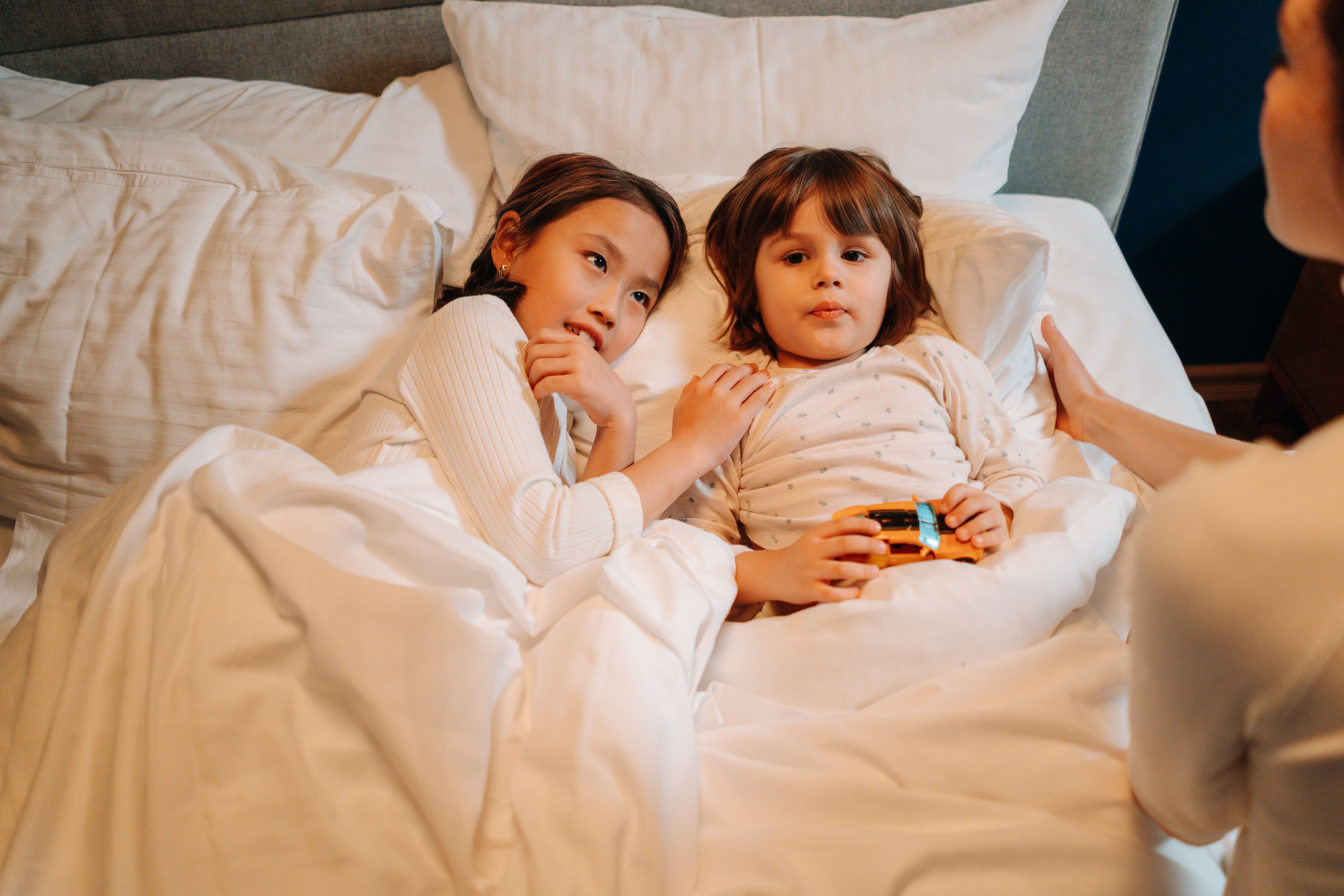
Melatonin is the hormone that signals the brain that it is nighttime. For many neurodivergent children, this body clock is delayed. According to NHS guidance from Frimley ICB (2025), insomnia affects 40-80% of autistic children and 25-50% of children with ADHD.
Other factors contribute to the issue:
- Stimulant medications may take a long time to wear off and contribute to delayed sleep
- Switching off is difficult with busy minds and anxiety
- Children stay alert with sensory triggers like noise, light, or itchy pyjamas
What Does the Research Say About Melatonin for ADHD and Autism?
The best melatonin autism evidence frequently includes children with ADHD too. In a systematic review and meta-analysis, melatonin was shown to significantly enhance sleep latency in children and adolescents with neurodevelopmental disorders. It also enhanced their overall sleep time. It did not decrease night waking.
Another systematic review of 36 randomised trials recommends beginning with a small dose and taking it up only if sleep hygiene has not been successful. Evidence for melatonin for ADHD kids is less. A review of nine ADHD studies found shorter sleep onset times and mild side effects, yet it called for more research on long-term safety.
Licensed prolonged-release melatonin now exists for autistic children aged 2–18. A licensed product also exists for children aged 6–17 with ADHD when sleep habits alone have not worked.
NHS prescribing guidelines, including the BSW update of June 2026, recommend that specialists should first attempt parent-led behavioural sleep support for three months. An NHS service led by a nurse discharged 63% of children without a prescription for melatonin. According to the American Academy of Pediatrics (AAP), some autistic and ADHD children might benefit from the use of melatonin, but only under the supervision of a paediatrician.
Is Melatonin Safe for Children?
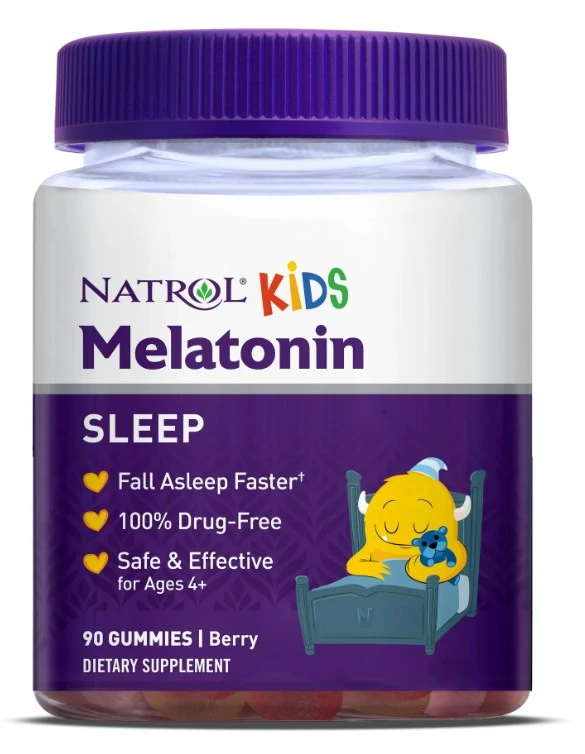
When used short-term, at low doses, and under supervision, melatonin is generally safe to use. Side effects of melatonin in kids may include sleepiness, headache, agitation, vivid dreams, and more frequent urination in the evening. When researching melatonin autism side effects, report any changes in mood, sleep, or behaviour to your child's doctor.
The AAP recommends consulting with the paediatrician for appropriate dose and timing. It also states that melatonin should not be a substitute for a good routine. Melatonin is used by a large number of people: The American Academy of Sleep Medicine surveyed US parents in 2023, finding that 46% have administered melatonin to a child under 13 years old. That is why medical advice is even more critical.
What Melatonin Dose Do Doctors Typically Start With?
A typical melatonin dose for kids begins low at 0.5-1 mg at the same time every night. They then make gradual adjustments and check for progress. More is not better.
The dose, timing, and treatment breaks will be determined by your child's doctor. Do not copy a dose from other families, and refrain from using adult products. A typical adult gummy contains 5 mg or 10 mg.
Gummies, Liquid, or Tablets: Which Format Is Child-Friendly?
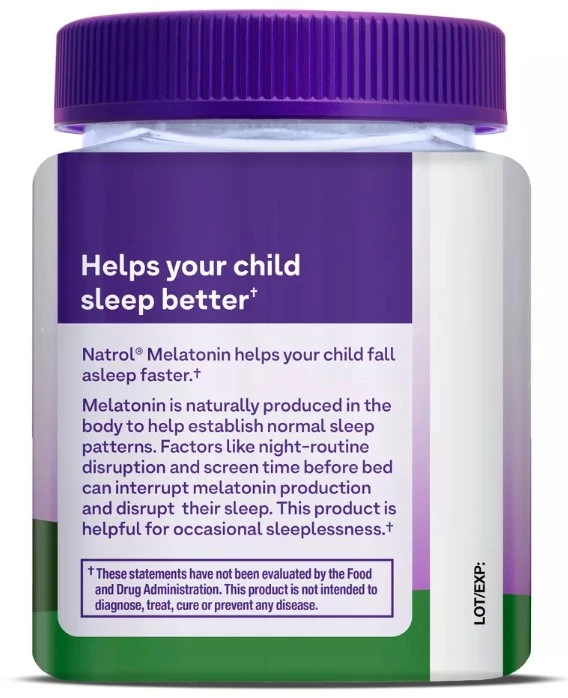
The correct format is the one that your doctor prescribes and your child agrees to. For children who require flexible or accurate doses, liquid melatonin for kids and tablets are suitable. Gummies are recommended for kids who don't like taking pills. When you're considering melatonin gummies for kids UK families can use, keep in mind that melatonin is in most cases a prescription medicine in the UK, so speak to your GP before you start taking it.
Vitasunn offers Natrol Kids 1mg melatonin gummies. They are pectin-based, gelatin-free, raspberry-flavoured vegetarian gummies for children 4 years old and up. Natrol's facilities are audited to the NSF/ANSI 455-2 GMP standard. Vitasunn also offers Natrol 1mg fast-dissolve tablets for families who prefer them. Let your doctor know which format you prefer.
Safety comes first with gummies:
- Consider them a medicine rather than a treat. Don't call them candy.
- Keep them safely out of sight and out of reach.
- Give each dose yourself.
- Check labels.
According to CDC data, calls to poison centres for children's melatonin increased 530% between 2012 and 2021, primarily due to accidental ingestion by children under 5 years.
Which Bedtime Routine Tips Help Neurodivergent Kids?
Parents frequently ask what is the best sleep aid for an autistic child. Typically, doctors begin with routine. Most small, consistent habits are helpful:
- Set consistent bed and morning routines, including weekends
- Use a picture schedule to make each step clear and predictable
- Reduce stimulation about 30-60 minutes before bedtime by offering a bath, book, or soothing music
- Turn off screens 1 hour or more before bed
- Keep the room dark, cool, and quiet. Consider blackout curtains or white noise.
- Select soft, tag-free pyjamas and bedding for sensory comfort
- Do not have caffeine, such as colas or chocolate, after lunch
- Set the body clock by introducing morning daylight and active play
When Should You Speak to Your GP or Paediatrician?

Talk to your GP or paediatrician before beginning melatonin. Book sooner if:
- Irregular sleep patterns persist for weeks despite a steady routine
- Your child snores heavily, gasps, or stops breathing
- You experience daytime sleepiness, mood shifts, or new behaviours
- Side effects start to happen, such as headaches, agitation, or nightmares
- Your child is prescribed medication for ADHD or other prescriptions
If a child eats too many gummies, seek immediate medical assistance.
Conclusion
Melatonin can help some neurodivergent children fall asleep, and research in autism is encouraging. But melatonin for kids works best as part of a wider plan. Start with steady routines, talk to your GP or paediatrician, and begin with the lowest dose they advise.
Choose a format your child can take safely, and keep every product locked away. If your doctor agrees melatonin suits your child, Vitasunn offers Natrol Kids 1mg melatonin gummies as a child-friendly option. Review progress regularly and ask about breaks. A doctor-led approach gives your family the safest start.
FAQs
1. Is melatonin safe for children with ADHD?
Low doses are generally safe for short-term use under medical supervision. The evidence for ADHD is less than for autism, so consult with your physician first.
2. Can melatonin help autistic children sleep?
Yes, for many. A trial revealed that prolonged-release melatonin improved sleep time and reduced the time needed to fall asleep. Doctors continue using routine changes as their first option.
3. Why do children with ADHD struggle to fall asleep?
There are a number of factors that can postpone sleep, such as a delayed body clock, overly active minds, anxiety, and stimulant medications. It is heightened by sensory sensitivities.
4. What dose of melatonin is used for children?
Doctors usually begin at a low dosage, 0.5–1 mg, and they adjust as needed. The dosage is prescribed by your child's physician, so don't guess.
5. Do ADHD medications affect sleep?
They can. If stimulants wear off late, they can interfere with sleep. Discuss timing with your prescriber before adjustment.
6. Is melatonin prescribed for children in Ireland and the UK?
Yes. Specialists prescribe it for children with ADHD or autism when routine changes have not worked. Licensed prolonged-release products exist, and melatonin is generally a prescription medicine in both countries.
7. What are the side effects of melatonin in children?
Drowsiness, headaches, agitation, vivid dreams, and increased nighttime urination. Long-term effects are not fully known, so doctors review treatment regularly.
8. Are melatonin gummies safe for kids?
They can be, if your doctor agrees and you treat them as medicine. Lock them away, check labels, and choose quality-audited brands, such as Natrol Kids from Vitasunn.
9. How long can a child take melatonin?
There is no set limit. Doctors review use regularly and often try breaks. The AAP does not see it as a long-term fix.
10. What bedtime routines help neurodivergent children sleep?
Consistent times, picture schedules, a calm wind-down, screen-free evenings, and a dark, quiet room help most.