
Melatonin For Children: Is It Safe? Parents' Guide to Dosage, Formats and Age Guidelines
21 Jul 2026
Key Takeaways
- Not recommended for those under age 3 without medical guidance.
- Short-term use only — not a long-term solution.
- Start with the lowest dose: 0.5mg to 1mg.
- Gummies and liquids are the most child-friendly formats.
- Always consult a GP before starting.
Bedtime can be a stressful time of day if your child refuses to go to bed or struggles to fall asleep. Research has shown that sleep disturbances in children and adolescents are a common problem, and the numbers are even higher in those with conditions such as ADHD and autism.
Poor sleep in children disrupts vital physical, cognitive, and emotional development. Unlike adults, who generally become sluggish when tired, a sleep-deprived child often becomes hyperactive, impulsive, and has severe tantrums.
This explains why the use of melatonin for children has exploded over the past decade as a safe option for bedtime struggles. Paediatricians typically recommend melatonin for specific, targeted cases rather than as a cure-all. And the question is not simply whether melatonin works, but whether it is the right choice for your child, at the right age, in the right dose.
So, which ages is melatonin appropriate for?
What is the ideal dosage?
Which formats suit children best?
And when is the right time to speak to a GP?
If your child is struggling with sleep and you are weighing up whether a child sleep supplement might help, this is where to start.
Table of Contents
- Is Melatonin Safe for Children?
- At what age can children take melatonin?
- What Is the Right Melatonin Dose for Children? (by age range)
- Which Melatonin Format Is Best for Kids? (gummies vs liquid vs tablet)
- How Long Can Children Take Melatonin?
- When Should You NOT Give Children Melatonin?
- Natural Sleep Tips for Children Before Trying Supplements
- Help Your Child Develop Good Bedtime Habits
- FAQs
Is Melatonin Safe for Children?
Melatonin is a hormone that’s naturally produced by the pineal gland. It signals to the brain that it is time to sleep, rising in the evening and falling through the night. When used as a supplement at low doses, it may simply reinforce your body's natural timing signal.
For children over the age of three, short-term use of melatonin at low doses is generally safe.
Studies have shown that children who use melatonin are likely to experience non-serious adverse events. However, the actual extent to which continued melatonin use leads to non-serious adverse events and the long-term consequences remains unclear.
Safety is also dependent on how melatonin is used.
Melatonin for children should ideally be taken 30 to 60 minutes before bedtime, and this should be complemented by good sleep hygiene practices rather than replacing them entirely. Stopping melatonin abruptly is also documented as safe, with no withdrawal effects reported in clinical literature. 
At What Age Can Children Take Melatonin?
Any use of melatonin for toddlers is highly advised against. The overall melatonin age recommendation from paediatric bodies is that children <3 Years should not use it as a sleep supplement unless under direct medical supervision. Before that age, sleep architecture is still forming, and the evidence base for supplementation in healthy under-3s is limited.
For children >3 with diagnosed sleep problems, melatonin can be considered, especially if an inadequate response to sleep hygiene measures has already been tried. However, parents are still warned against using adult-strength products as they don’t suit this age group at any dose.
What Is the Right Melatonin Dose for Children?
The rule of thumb for children’s melatonin dosage, or melatonin dosage for that matter, is to begin with the lowest effective dose and increase it as needed. Clinical recommendations consistently cite 0.5mg to 1mg, taken 30 to 60 minutes before bed, as the right starting point.
The table below provides an approximate guide to starting doses by age. These are NOT prescriptions and should be verified with a GP or paediatrician first.
|
Age Range |
Starting Dose |
Notes |
|
3 to 5 years |
0.5mg |
Under medical guidance only |
|
6 to 12 years |
1mg |
Review after 2 to 4 weeks |
|
12 years and above |
1mg to 3mg |
Reassess regularly with GP |
Which Melatonin Format Is Best for Kids?
Not every melatonin product is suitable for children, and format matters considerably. Tablets and capsules formulated for adults often come in doses of 5mg or higher, which is well above what paediatric guidance recommends for most children.
Kids' melatonin gummies are likely to be your best bet. They're easy to take, come in child-safe doses, and, unlike tablets, don't tend to elicit refusal. For example, Vitasunn stocks Natrol Kids 1mg Melatonin Gummies (90ct, Raspberry Flavoured), one of the lowest-dose kids' formulas available. Vegetarian, drug-free, and naturally raspberry flavoured, they are formulated for children aged 4 and above and deliver a consistent 1mg dose per gummy. 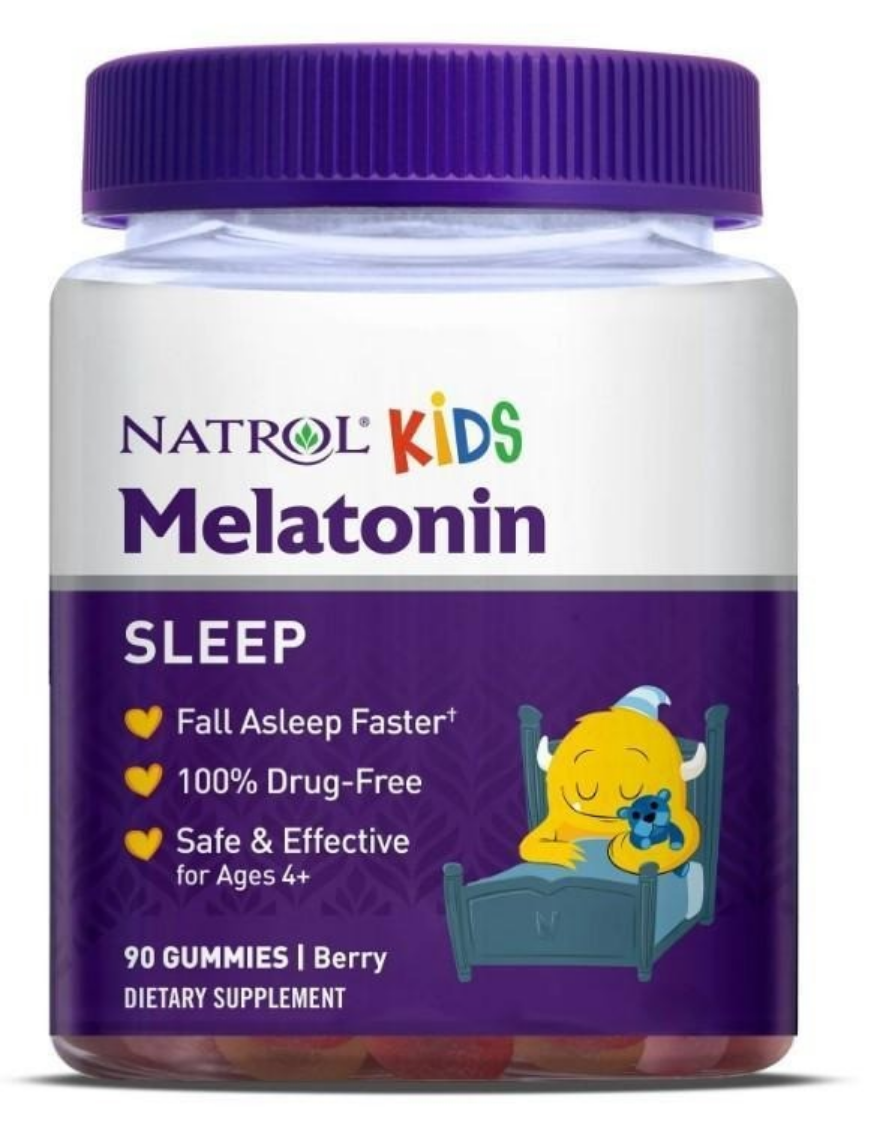
Liquid melatonin is equally effective, especially for younger children or those with swallowing problems. The format also allows you to dose accurately by using a 1ml oral syringe. As for standard tablets, they should generally be avoided for younger children, both due to swallowing difficulty and the risk of receiving a dose far beyond what is appropriate for their age and weight.
How Long Can Children Take Melatonin?
Melatonin as a sleep supplement for children should be used as a temporary bridge before considering whether a treatment is feasible.
Parents should regularly consider whether the benefits are still being felt; if there’s no impact after a few weeks or if sleep issues return when melatonin use has stopped, then you should be talking to your GP and not reaching for more.
Research still does not justify regular, continued use in healthy children, and long-term effects, particularly around puberty and adolescent development, are still being looked at.
While the evidence so far has shown no red flags for short-term use, researchers remain cautious and continue to highlight the lack of long-term safety data as a cue to avoid its long-term use for children.
When Should You NOT Give Children Melatonin?
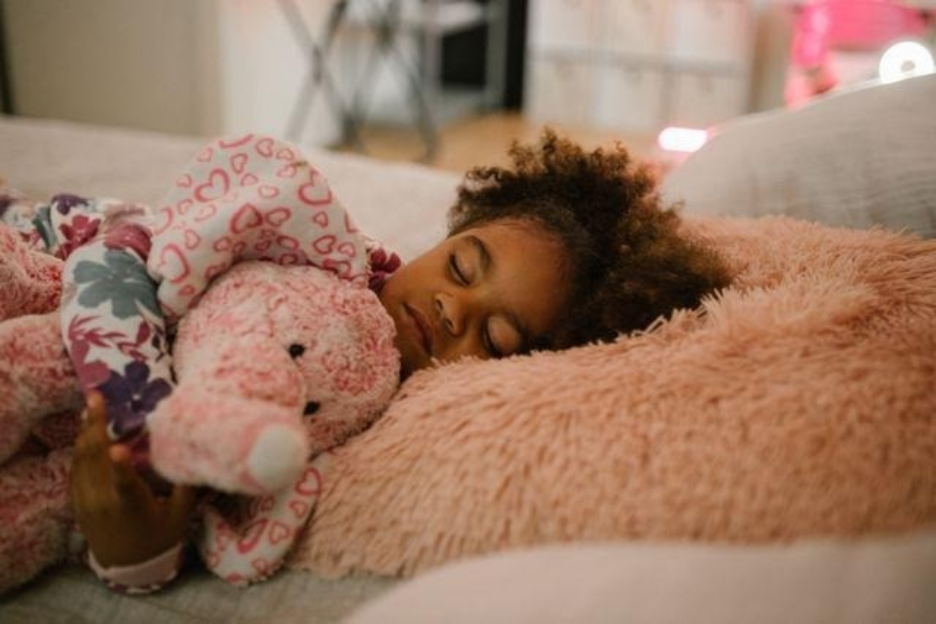
There are instances where melatonin isn't suitable, and it's important to know what they are before you begin.
Don't give melatonin to a child if:
- The child is under 3 years of age and has not been advised to have it by a GP or a paediatrician
- The child is on another medication that could react with it, such as anticonvulsants or blood thinners
- Sleep has not been looked at and could be due to an underlying condition (sleep apnoea, anxiety or pain)!
- There is no organised bedtime routine as yet. Melatonin will have far less potency without the behavioural underpinnings.
If your child has morning grogginess, mood changes, or no improvement in sleep after 2 to 4 weeks, call your GP. They may need less medicine, a different time of administration or even a different treatment altogether.
Natural Sleep Tips for Children Before Trying Supplements
Before reaching for melatonin supplements every night, it's worth looking at the environmental and behavioural factors, which are the most common causes of sleep problems in children. Most issues should be resolved once you have consistent habits such as these in place.
- Bedtime’s consistency. Our bodies love routine; a regular sleep time each night reinforces the body's natural melatonin production and helps children settle more easily.
- Screen-free wind-down. The blue light from phones and TV screens inhibits our natural melatonin release. Children need at least 1 hour of screen-free time before bed.
- A quiet sleeping environment: Create a dark, quiet room that promotes sleep onset. Blackout curtains are particularly helpful during the longer summer evenings.
- Daytime exercise. Moderate to high levels of physical activity are associated with longer, more restful sleep in children. However, for some children, vigorous physical activity within 2 hours of bedtime may interfere with the ability to fall asleep.
If you put these measures consistently in place and sleep difficulties persist, that is the appropriate point to discuss a child's sleep supplement with a GP. Alternatively, if you have specific health needs or are looking for additional nutritional support, a full range of melatonin supplements from Vitasunn Nutritionals can be a good starting point.
Remember, melatonin can help children with specific sleep difficulties when used carefully — starting with 1mg, in a child-friendly format, with GP guidance. If you’re looking for the right place to find melatonin for children, Vitasunn stocks Natrol Kids 1mg Gummies, the lowest-dose children's supplement available, which helps address sleeplessness in children ages 4 and up.
Help Your Child Develop Good Bedtime Habits
Melatonin can be a useful short-term aid for children with real sleep issues, but it’s only part of the solution and best used under professional guidance.
Start with a low effective dose, choose child-friendly formats, and review progress regularly to establish whether you can avoid unnecessary long-term use. And if sleep problems persist despite good sleep hygiene and melatonin use, then it is time to visit your GP to see if there are other underlying causes.
At Vitasunn Nutritionals, we have high-quality supplements that help support your child's sleep routine safely. Our full range of supplements is designed to promote optimal health and well-being.
Get started today by visiting our vitamin & supplements store website to learn more about our products.
FAQs
Q1: Is melatonin safe for kids?
For kids above 3, short-term low-dose use (0.5–1mg) is usually safe with professional guidance.
Q2: What dose of melatonin is safe for a 5-year-old?
0.5mg–1mg taken 30–60 minutes before bedtime. Always consult a GP first.
Q3: Can children take melatonin every night?
Short-term is ok, should not be a forever solution. Fix sleep habits with it.
Q4: What melatonin formulation is best for kids?
Gummies or liquids—easiest to take and allow lower, more precise doses.
Q5: When can a child take melatonin?
Not recommended under age 3. After age 3, sudden-onset insomnia or middle-of-the-night awakenings can be treated with very low doses of melatonin (.25 milligrams or less) in children whose parents have tried the standard behavioural strategies.
Q6: Can I give my child melatonin every night for a month?
Most recommendations suggest 2–4-week trials with reevaluation. Long-term use in children is not well-defined.
Q7: Does melatonin affect children's development?
No strong evidence of harm from short-term use, but long-term effects on puberty are not fully known.
Q8: What are the signs that melatonin isn't working for my child?
No change after 2–4 weeks, or morning grogginess/mood change — discuss with GP ASAP.